

The Self-Sustaining Foundation of Celtic Park
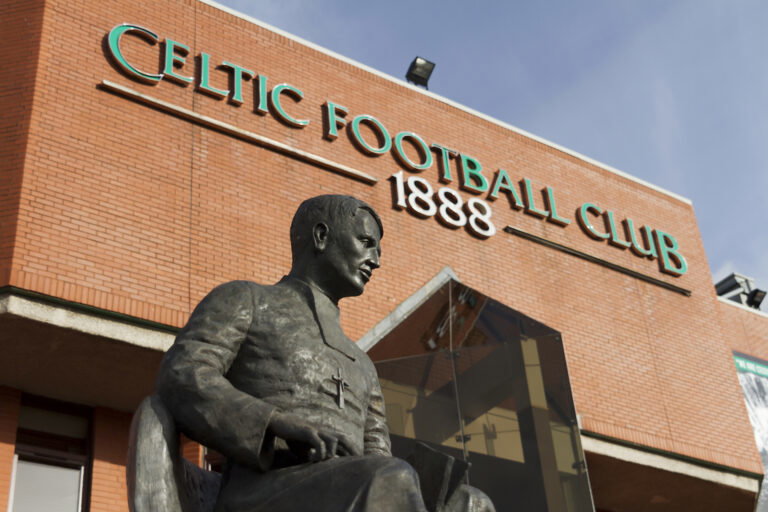
Celtic Football Club holds a unique spot in European football. Brother Walfrid founded the club in 1887 to help feed impoverished Irish immigrants in Glasgow’s East End. What started as a parish charity grew into a global institution. In 1967, Jock Stein’s “Lisbon Lions” became the first British side to win the European Cup with a squad born within a thirty-mile radius of Celtic Park, creating a cultural identity that still drives commercial value today.
TV money doesn’t drive the model here. Celtic operates in a tough media market compared to English Premier League or German Bundesliga sides. The Scottish Premiership’s media rights package is a small fraction of the billions distributed across Europe’s top-five divisions. That broadcast deficit forced Celtic to run a self-sustaining business anchored by strict debt aversion.
Matchday tickets carry the load. A full 60,000-seat Celtic Park pulls in game receipts that top many mid-table teams in wealthier leagues. Strict wage limits keep the club off the financial roller coaster that has wrecked other European teams. Annual revenue flows from ticket sales, UEFA prize payouts, retail merchandising, and global corporate sponsorships.
Revenue Distribution and Market Realities
Winning domestic trophies builds prestige, but European football provides the cash spikes that balance Celtic’s books. Without regular UEFA group stage income, competing financially with bigger European sides becomes impossible.
Scottish football’s tight broadcasting revenue forces the board to treat every incoming revenue line differently:
| Revenue Stream | Primary Components | Strategic Significance | Financial Dependency |
|---|---|---|---|
| Matchday Operations | Season tickets, hospitality, cup staging | Generates consistent operational cash flow | Very High (Baseline) |
| Broadcasting | SPFL distributions, international rights | Restricted by regional television valuation | Moderate (Domestic ceiling) |
| UEFA Tournaments | Group stage prize money, coefficient bonuses | Provides surplus capital for squad investment | High (Variable) |
| Commercial & Retail | Kit manufacturing contracts, global merchandise | Bridges the broadcast deficit through reach | High (Essential) |
| Player Trading | Talent scouting, player development, outward sales | Reinvests capital gains into stability | High (Key profit generator) |
Demand for season tickets far outstrips supply, leaving tens of thousands of fans on official waiting lists every summer. That loyal fanbase gives Celtic a solid financial baseline that most clubs outside Europe’s top leagues can only envy.
Commercial Alliances and Corporate Governance
To supplement gate receipts, Celtic turns to its international fanbase for corporate deals. Partnerships with kit manufacturers, beverage brands, and shirt sponsors bring in the cash needed to pay first-team wages and fund the youth academy.
Betting and digital gaming brands have sponsored British football clubs for over a decade. In the Scottish Premiership, where TV payouts stay low, these companies offer the highest rates for shirt space and digital stadium ads. Celtic’s long-term deals with established operators provide dependable income that helps the club stay competitive against richer European opponents.
Partnering with digital betting platforms requires careful vetting. Celtic’s board screens potential sponsors for solvency, legal compliance, and strict social responsibility standards. That screening protects the club’s reputation while meeting Scottish football guidelines.
Due Diligence and Integrity in Digital Partnerships
The presence of gaming sponsors on football jerseys has generated ongoing discussion among supporters, regulators, and civic organizations. While these deals bring in vital revenue, they also require stronger consumer protections.
Supporters now look at betting sponsors with a critical eye. Just as club directors vet sponsors before signing a deal, everyday users need to check whether a site is safe before depositing money. When checking an operator, experienced players rely on independent online casino reviews to confirm licensing from bodies like the UK Gambling Commission or the Malta Gaming Authority, verify payout checks, and test self-exclusion tools.
This push for third-party checks matches the standards expected across professional sports. External audits protect players and fans alike, proving that commercial growth doesn’t have to compromise safety or transparency.
| Governance Tier | Primary Stakeholder | Critical Verification Benchmarks |
|---|---|---|
| Institutional Vetting | Club Executives & Legal Counsel | Financial solvency audits, statutory licensing validation, advertising compliance |
| Consumer Oversight | General Public & Digital Patrons | Independent certification reports, regulatory checks (UKGC / MGA), responsible engagement tools |
Sticking to licensed, fully audited sponsors helps football clubs guard their brand equity while keeping unregulated operators off their shirts.
The Player Trading Model as an Economic Engine
Sponsorships and matchday tickets cover operating costs, but player development drives Celtic’s real financial growth. Celtic cannot match English Premier League wages. Instead, the club relies on a global scouting network to find undervalued players in emerging markets.
Scouts focus on Scandinavia, East Asia, and the lower tiers of English football. Celtic brings these players in, drops them into a high-pressure environment where trophies are mandatory, and gives them Champions League exposure. By the time Premier League clubs come calling, Celtic holds all the leverage in transfer talks.
We evaluated how Celtic turns talent scouting into long-term profit, identifying four main stages in the pipeline:
- Talent Identification. Target versatile, physically gifted players in emerging markets where transfer fees remain reasonable.
- Tactical Integration. Expose new signings to domestic title pressure and Champions League football to speed up development.
- Strategic Realization. Sell players at peak market value to maximize net transfer gains.
- Structured Reinvestment. Reinvest transfer fees directly into training ground upgrades, analytics tools, and future recruitment.
Big-money exits over the last decade show how well this system works. Players bought for small fees have left for tens of millions. Those profits paid for major upgrades at the Lennoxtown training center, stadium repairs, and squad replacements without adding a pound of bank debt.
Heritage and Stability in Contemporary Football
Celtic’s survival at the top level comes down to balancing heritage with strict financial discipline. As modern football shifts toward multi-club ownership groups, state-backed funds, and private equity firms, Celtic sticks to a self-funded model.
The board answers to a unique shareholder base made up of financial institutions and fan investors. Every major decision, from stadium repairs to sponsor contracts, gets weighed against balance sheet impact and club tradition.
Filling Celtic Park every week, hitting high margins on player sales, and signing regulated corporate sponsors gives Celtic something rare in modern sports: control over its own destiny without taking on external debt.
Image Source: unsplash.com






Comments.
Loading comments…