
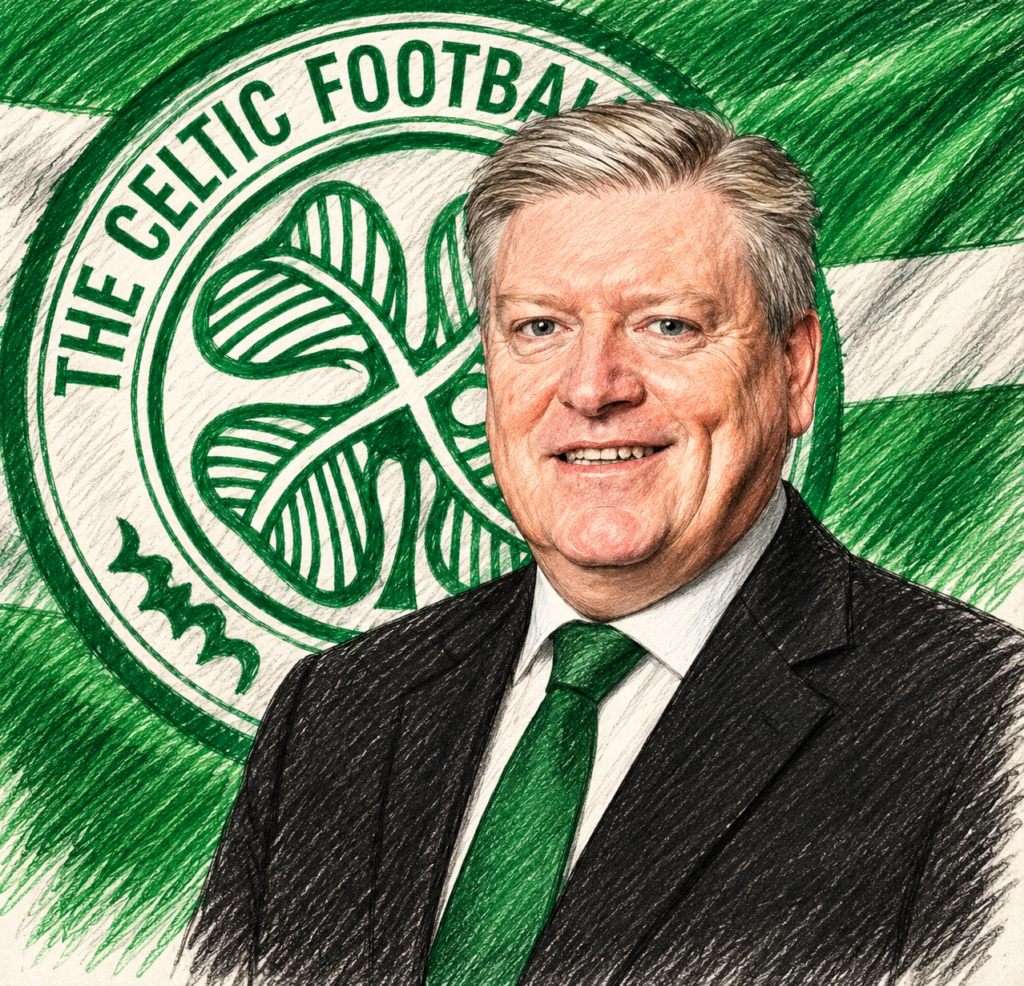
I’ve spent the last several weeks questioning the direction Celtic are heading in, the lack of ambition in Europe and the increasingly poisonous atmosphere surrounding our football club.
Those arguments haven’t always been particularly popular.
Apparently, questioning Celtic’s board means you’re negative. Comparing our European performances with clubs like Club Brugge is somehow irrelevant, and demanding better communication from those running Celtic is treated by some as an unreasonable expectation.
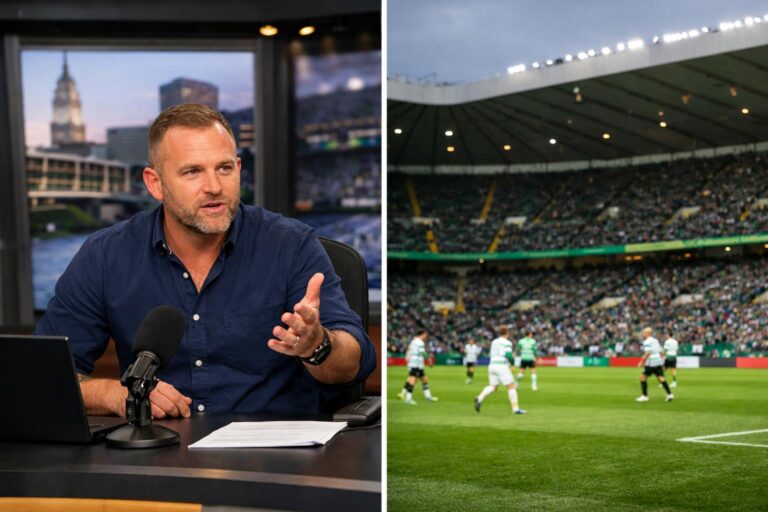
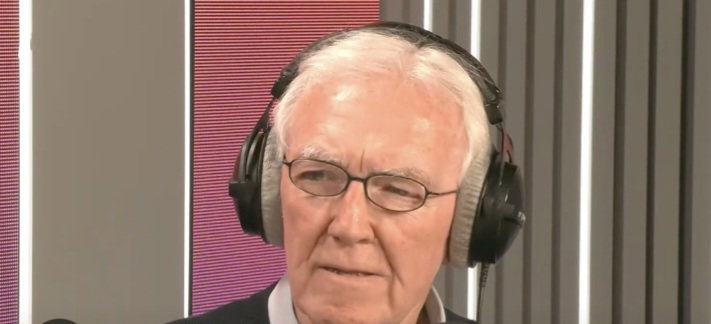
Well, I listened to Bernard Ponsonby’s interview on PLZ Soccer, and it was refreshing to hear somebody articulate so many of those concerns without the usual nonsense that surrounds these discussions.
Ponsonby wasn’t calling for chaos. He wasn’t dismissing everything Celtic have achieved.
He was asking perfectly reasonable questions about where our club is going.
Questions I’ve been asking for weeks.
Bernard articulates himself far better than I could dream of though!
Financially Successful, But Where Is The European Ambition?
One thing I’ve never disputed is Celtic’s financial strength.
The club has enjoyed remarkable domestic success over the last quarter of a century, and those responsible deserve recognition for the stability they’ve helped establish.
Ponsonby acknowledged that himself.
But here’s where the argument changes.
Being financially well run doesn’t automatically mean Celtic are fulfilling their potential as a football club.
I’ve repeatedly questioned why we’re expected to celebrate domestic dominance while accepting European failure as some unavoidable consequence of modern football.
Club Brugge have just gone to the San Siro and beaten Inter Milan 4-3 in the Champions League.
Celtic, meanwhile, are competing in the Europa League and have conceded seven goals in our opening two matches.
Yet some supporters would rather criticise the comparison than confront what it tells us.
Ponsonby believes Celtic haven’t spent properly to achieve meaningful European progress.
That’s precisely the issue.
It’s not simply about spending more money. It’s about having a coherent strategy that allows Celtic to compete beyond Scotland.
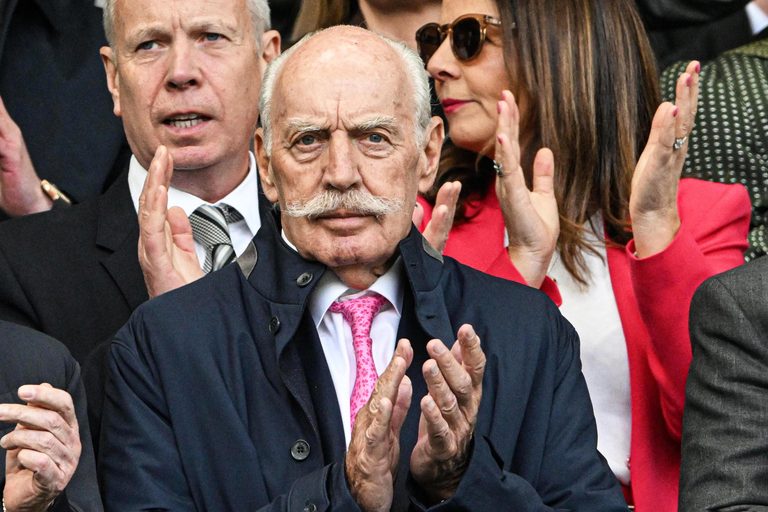
Dermot Desmond’s Silence Is Part Of The Problem
For weeks I’ve been asking where the leadership is.
Where is the communication? Where is the explanation of Celtic’s long-term strategy? Why are supporters left guessing about the ambitions of those controlling the club?
Ponsonby raised exactly the same concerns.
He openly admitted that he doesn’t know Dermot Desmond’s vision for Celtic.
Neither do I.
And neither, I suspect, do the overwhelming majority of supporters.
We hear from the Desmond family when there’s a dispute with Brendan Rodgers or when supporters need to be reminded about the supposed limitations of Celtic’s ambitions.
But where is the meaningful engagement?
Ponsonby made an excellent observation about Desmond sending representatives to deliver messages while remaining distant himself.
I’ve argued that Celtic’s leadership should be facing supporters directly rather than allowing managers to answer questions that belong in the boardroom.
That hasn’t changed.
Celtic Supporters Are Being Turned Against One Another
This was perhaps the most significant part of the interview for me.
Ponsonby spoke about how unpleasant the atmosphere among Celtic supporters has become.
I’ve written extensively about this recently.
Instead of debating the actual concerns being raised, too many people seem determined to attack whoever raises them.
Question the board and you’re accused of undermining the team.
Demand European progress and you’re told to be realistic.
Challenge the direction of the club and suddenly you’re the problem.
It’s become exhausting.
The irony is that supporters who want greater ambition are regularly portrayed as somehow being against Celtic.
Nothing could be further from the truth.
We want Celtic to succeed.
We want the club’s financial strength to be reflected in the quality of the football operation.
And we want supporters to stop treating legitimate criticism as some sort of betrayal.
Changing Directors Won’t Change Celtic Without A New Approach
Ponsonby also made an important point about boardroom changes.
Replacing directors achieves very little if the same influential figures continue directing the club in exactly the same manner.
That’s something I’ve questioned throughout the recent discussions about Celtic’s governance.
Supporters aren’t simply asking for different names.
They’re demanding a different approach.
Better communication, proper accountability, smarter recruitment and genuine European ambition.
Martin O’Neill deserves support, but even his appointment doesn’t answer the bigger questions about Celtic’s future.
A football club cannot continue drifting from one short-term solution to another while expecting supporters to believe there’s a coherent long-term plan.
It’s Time Celtic’s Leadership Started Listening
What I appreciated most about Ponsonby’s interview was that he recognised Celtic’s achievements without using them as an excuse to dismiss the club’s failures.
That’s the distinction too many people seem unwilling to make.
You can appreciate what Celtic have achieved domestically while believing the club has fallen well short of its potential in Europe.
You can respect Martin O’Neill while questioning his selections.
And you can love Celtic Football Club without agreeing with the people running it.
I’ve been making these arguments for weeks, and I’ll continue making them because I genuinely believe Celtic can and should be achieving considerably more.
Ponsonby’s intervention doesn’t suddenly make those arguments correct simply because he’s a respected broadcaster.
But it does demonstrate that these concerns aren’t confined to some imaginary group of permanently disgruntled supporters.
They’re real questions about the future of Celtic.
And until Dermot Desmond and the board start answering them, the disconnect between the club and its supporters will only continue to grow.
Keep Your Eyes On The Board.






Comments.
Loading comments…