
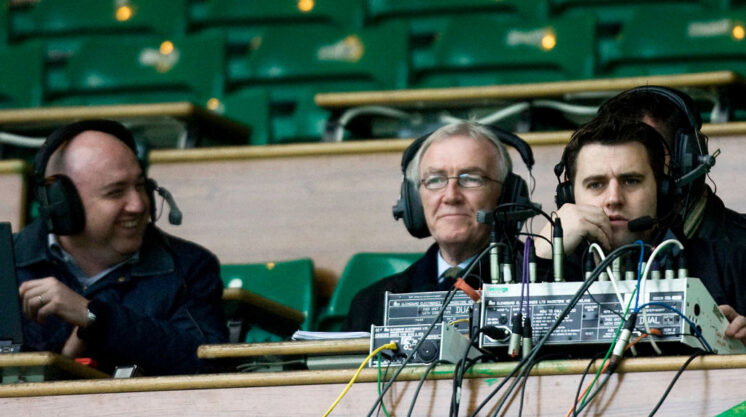
Hugh Keevins Turns Celtic Mismanagement on Martin O’Neill – But He’s Looking in the Wrong Place
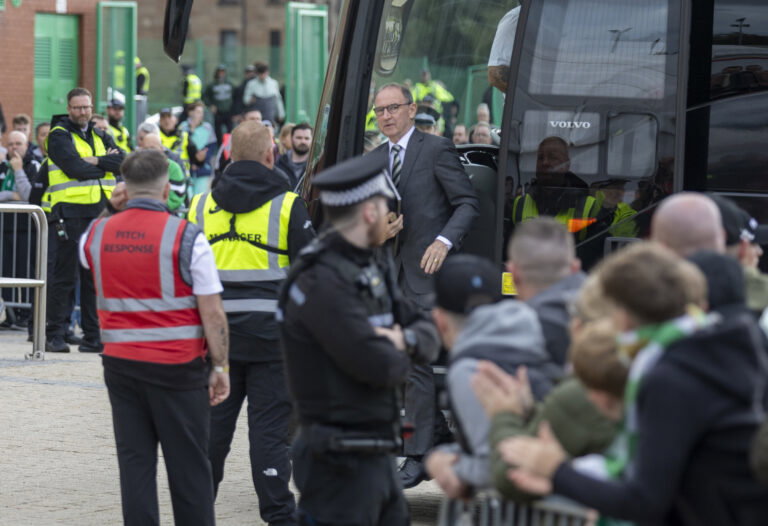
Martin O’Neill deserves criticism for what happened against LASK. He knows that, Celtic supporters know it, and O’Neill himself accepted responsibility afterwards.
But responsibility is not the same thing as culpability for everything that has gone wrong at Celtic.
That distinction matters.
Hugh Keevins’ latest Daily Record column begins with a legitimate examination of O’Neill’s management in Austria. It then moves somewhere altogether more uncomfortable, questioning whether his age, recent hospitalisation and supposed “energy reserves” mean it might be time to step aside.
That is where the argument begins to unravel.
Hugh Keevins identifies Celtic’s real problem himself
Remarkably, Keevins supplies much of the evidence against his own conclusion.
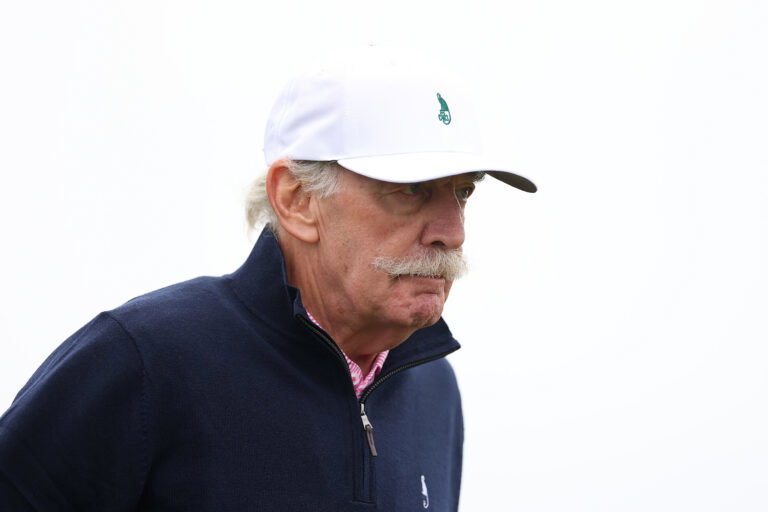
He accepts that O’Neill “didn’t create the mess”. He describes Celtic as glaringly short of squad depth. He criticises directors who have been slow to act and even questions whether Dermot Desmond has run his course.
Precisely.
So why does so much attention suddenly fall on the man asked to manage the consequences?
O’Neill did not construct this squad. He did not spend the summer leaving obvious weaknesses unresolved. He was not responsible for Celtic reaching a defining European qualifier without the depth expected of a club with its resources and ambitions.
He can be blamed for failing to change Tuesday’s game.
He cannot reasonably be blamed for building the circumstances surrounding it.
Martin O’Neill’s health should not become the story
Keevins is perfectly entitled to ask whether O’Neill made serious tactical mistakes.
He did.
Question the substitutions. Question the shape. Question why Celtic could not regain control after LASK found momentum.
Those are football arguments.
But introducing O’Neill’s recent hospitalisation and wondering whether a “much younger man” would cope with Celtic’s schedule takes the discussion somewhere else entirely.
One dreadful European night does not suddenly make a manager’s age the defining issue.
Especially when the same column acknowledges an inadequate squad, boardroom failure and years of structural shortcomings.
O’Neill should carry his share of the blame for Austria.
What he should not become is a convenient human shield for Celtic’s wider mismanagement.
If the club wants to understand how it reached this position, it should look beyond the technical area.
The answers are much higher up.
Key Takeaways
- Martin O’Neill deserves criticism for Celtic’s collapse against LASK.
- Hugh Keevins himself acknowledges that O’Neill inherited deeper problems.
- Celtic’s squad construction and lack of depth cannot simply be placed at the manager’s door.
- Questioning O’Neill’s tactics is legitimate; turning his age and health into the central issue is far harder to justify.
- Celtic’s wider mismanagement remains the bigger question.







Comments.
Loading comments…