
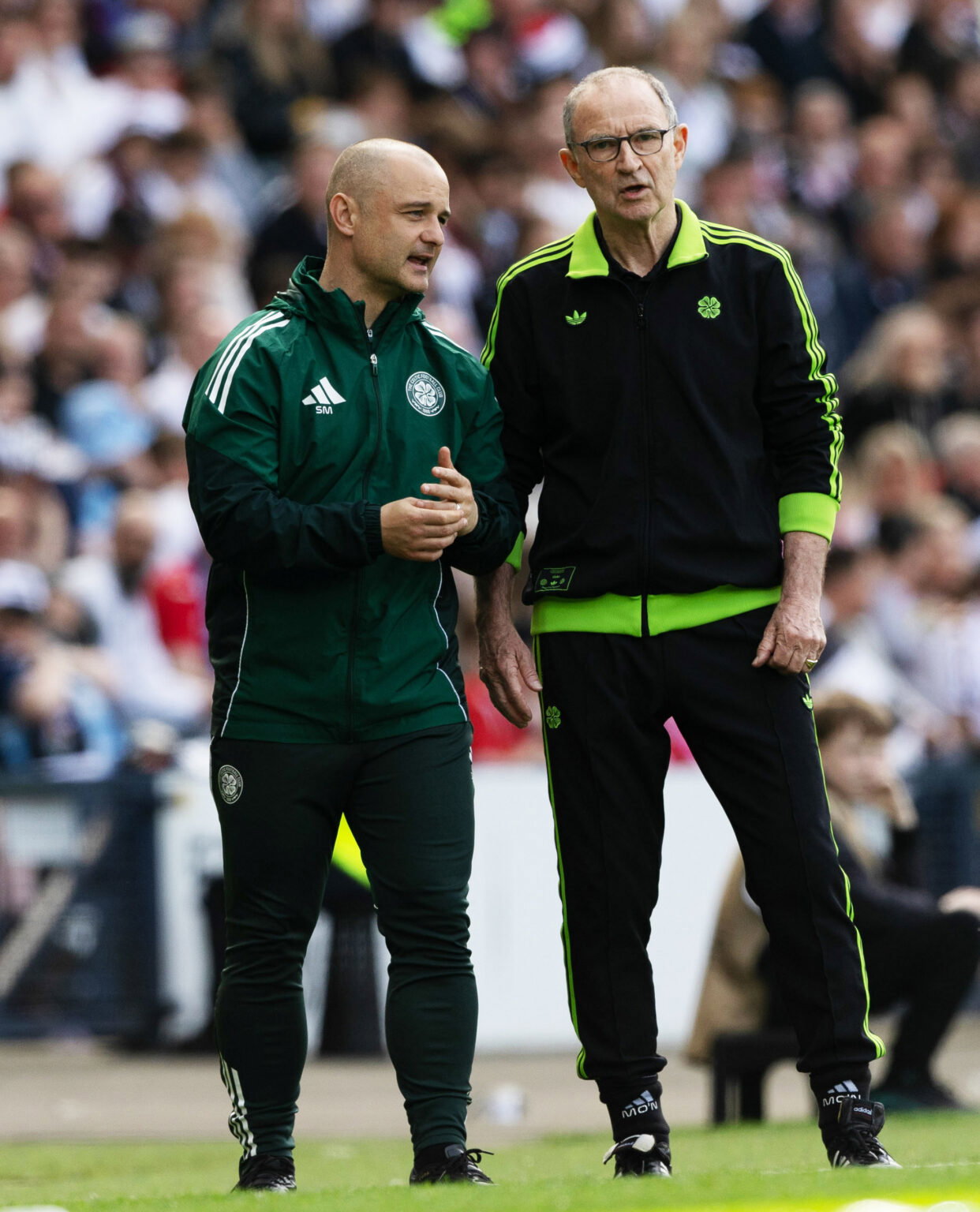
Celtic have signed Shea McGarry.
Good.
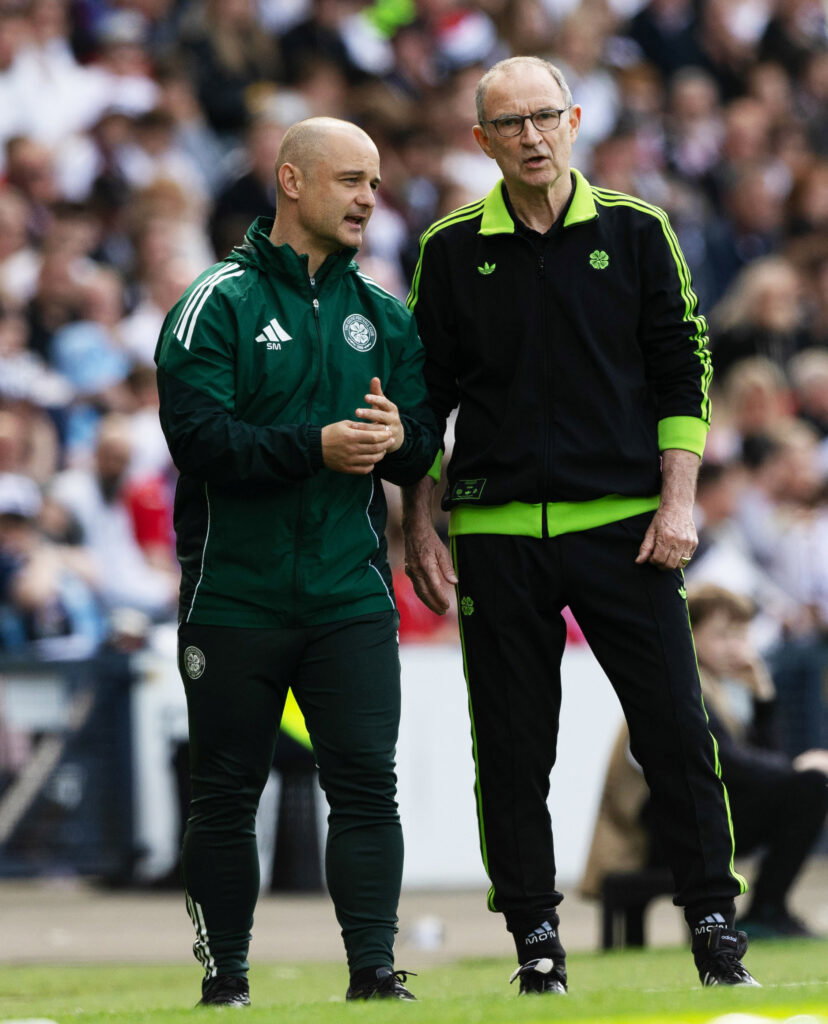
Now comes the part we always get wrong.
A 16-year-old centre-back who has already made three senior appearances for Cliftonville.
Capped by Northern Ireland at U17 and U19 – ahead of his age group, not just keeping pace with it.
One of the brightest things to come out of that club in years.
That’s exactly the kind of name we should be hoovering up.
Cheap. Young. High ceiling. The sort of punt that costs almost nothing and occasionally turns into everything.
Credit where it’s due – whoever spotted this did the easy part well.
But here’s the thing.
Signing the talent has never been the problem at this club.
Doing something with it once it’s through the door – that’s the bit we keep getting catastrophically wrong.
We Are Brilliant At Buying Them. Hopeless At Using Them.
Celtic have had no shortage of talent come through over the years.
What we’ve had a shortage of is the nerve to actually play them.
How many genuinely gifted kids have we waved through the academy, only to watch them light up somebody else’s first team a couple of years later?
For me, that’s the real story here. Not the signing itself – the question of what happens next.
Because a 16-year-old isn’t a finished product. Nobody’s pretending he is.
And here’s the reality – we have a long, miserable history of acquiring players and then not knowing what to do with them once they’re in the door.
Two Names That Should Haunt The Recruitment Floor
You want the evidence?

Ben Doak.
Rocco Vata.
Now, in fairness, Doak was his own decision. Postecoglou gave him a sniff at 16; Liverpool came calling, and the boy backed himself.
You can’t entirely pin that one on the club – when a Premier League giant knocks, a teenager’s head turns.
Fair enough.
But Vata?
Vata is the one that should sting.
He didn’t get nearly enough.
He was managed out rather than managed in.
And he ended up at Watford, where – surprise, surprise – he’s gone and proven he can do it at a senior level.
We let that happen.
We watched a talent we’d developed walk out the door, then deliver for somebody else.
And he is not a one-off.
He’s just the most recent name on a list that’s far too long for any club that calls itself a “development pathway”.
That’s the pattern McGarry is walking into.
That’s the pattern that has to change.
In Fairness To The Managers – It’s Not Entirely On Them
Now, I’m not going to sit here and pretend this is purely a coaching failure.
You are under pressure to win virtually every domestic game you play.
There is no “let’s blood the kid and see how he copes” week, because there is no easy week. Draw at home for anybody, and the place loses its mind.
So I understand why a manager hesitates to throw a teenager into a centre-half position – the single least forgiving spot on the pitch – when three points are non-negotiable every single time.
One slip.

One moment of inexperience.
A goal and a headline.
So no, the managers don’t carry all of this.
But here’s the thing.
If the club knows the manager can’t take that risk – and they do know – then the structure around the manager has to create the pathway instead.
Loans that actually develop.
A reserve setup that means something.
A genuine, mapped route from the academy to the bench to the pitch.
That’s not the manager’s job. That’s the club’s job.
That’s Nicholson’s job.
That’s Desmond’s responsibility.
And that’s exactly the bit that keeps getting “reviewed”, “restructured”, and quietly buried.
So Which Celtic Is McGarry Joining?
This is the only question that actually matters with a signing like this.
Are we signing him to develop him?
Or are we signing him to own him – to stockpile him, park him, and flip him in three years when a Championship club fancies a look?
For me, the McGarry signing is only a good signing if we’ve genuinely changed our thinking on what happens after the signing.
If we haven’t, then all we’ve done is add another gifted name to the “pathway” that mysteriously only ever pays off for other clubs.
And we’ll be writing the Vata article again in a couple of years, won’t we?
Different boy. Different position.
Same depressing ending.
Martin O’Neill And A Chance To Set The Tone
There is a flicker of optimism here, mind.
Martin O’Neill’s first wave of players reports back for pre-season, and a new era – even a short-term one – is a chance to reset the culture around the young ones.
O’Neill, of all people, knows what this club is supposed to be about.
The identity.
The connection between the academy, the support, and the first team.
For me, if there’s a manager who might actually give a real talent a real chance when the moment comes, it’s someone who gets Celtic – and O’Neill gets Celtic.
But – and it’s a big but – even O’Neill can only work with the pathway the board hands him.
If Nicholson and Desmond don’t build the structure, the best manager in the world can’t conjure first-team minutes out of thin air.
At some point, the people at the top of this club have to decide whether the “pathway” is a real thing or just a word they use in press releases.
So this isn’t really a coaching test.
It’s a board test.
Key Takeaways
- Signing 16-year-old Northern Irish centre-back Shea McGarry – three senior Cliftonville appearances, capped at U17 and U19 – is smart, low-cost, high-upside business. The easy part is done.
- Celtic’s problem has never been acquiring young talent; it’s developing and trusting it. Rocco Vata – mismanaged, shipped out, now thriving at Watford – is the most recent painful name on a list that’s too long.
- The pressure to win every domestic game makes it genuinely hard for managers to blood teenagers at centre-back – which is precisely why the club, not the manager, has to build the structure. That’s Nicholson’s job. That’s Desmond’s responsibility.
- The McGarry signing is only a good one if Celtic have actually changed their thinking on what happens after the signing – otherwise it’s another gifted name for a “pathway” that keeps paying off for other clubs.
- Martin O’Neill’s return is a chance to reset the culture around youth, but even he can only use the pathway the board builds for him. This is a board test, not a coaching one.












Comments.
Loading comments…