
The performances of so-called “smaller nations” in the World Cup should have Nicholson and Desmond sitting up.
For years we’ve been told there’s no way for a club like ours to be able to compete against European powerhouses, but here we are, where there’s proof smaller nations are competing against larger nations with all these “world-class” players we’re told we can’t compete against every season.
Cape Verde held Spain.
Australia beat Turkey.
And the smaller nations doing the damage aren’t doing it with possession-heavy passing patterns or fancy positional play.
They’re doing it with a 4-4-2 mid-block.
They’re doing it with ruthless set-pieces.
And they’re attacking with intent.
For me, that’s the European blueprint Celtic should have built around years ago.
Because if Cape Verde and Australia can do it on the world stage…
There’s no reason in the world we can’t do it in Munich, Madrid and Milan.
What Celtic Need To Copy
There was luck involved between Cape Verde and Spain.
Cape Verde sat in.
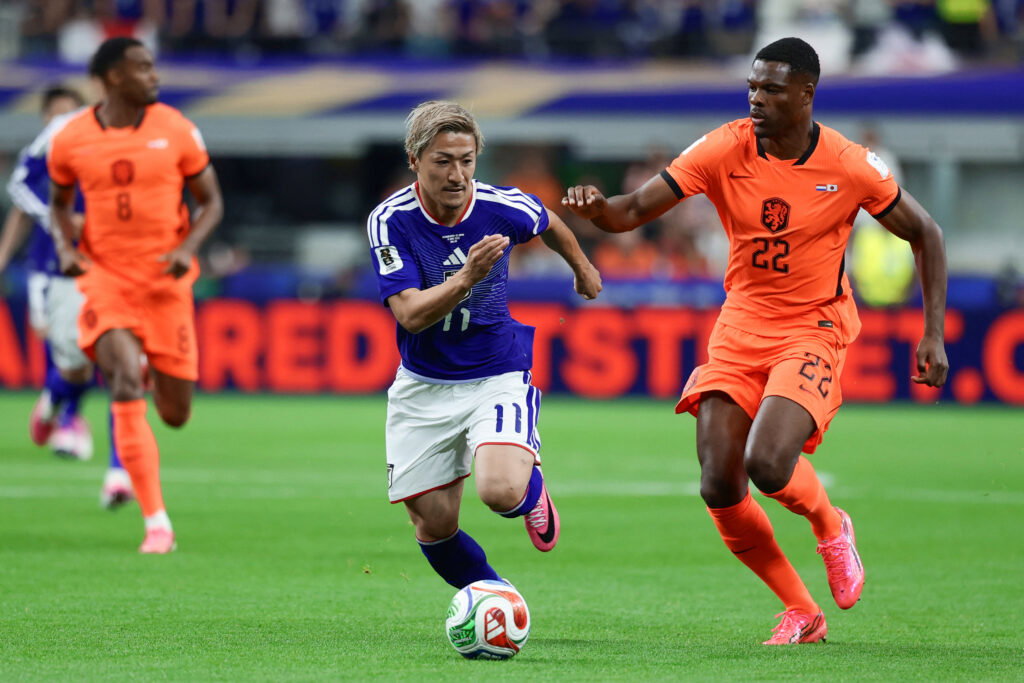
Their goalkeeper had the performance of a lifetime.
But importantly, every time Spain played a sloppy ball, they hit them on the counter.
Celtic, in Europe, have spent years trying to play “front-foot” football against teams above us.
And we’ve been opened up almost every time.
We’re not strong enough defensively to invite the pressure, and we’re stuck to this 4-3-3 formation and scared to change it, it seems, which holds us back.
I think sometimes we’d benefit to going to a 4-4-2 with two blocks of four, it allows us to be a lot more compact.
The Fight In The Dog
Australia beating Turkey was the result of the round.
A Socceroos side full of A-League and Championship players.
Against a Turkey squad brimming with Bundesliga and Serie A names.
They outran them and outworked them.
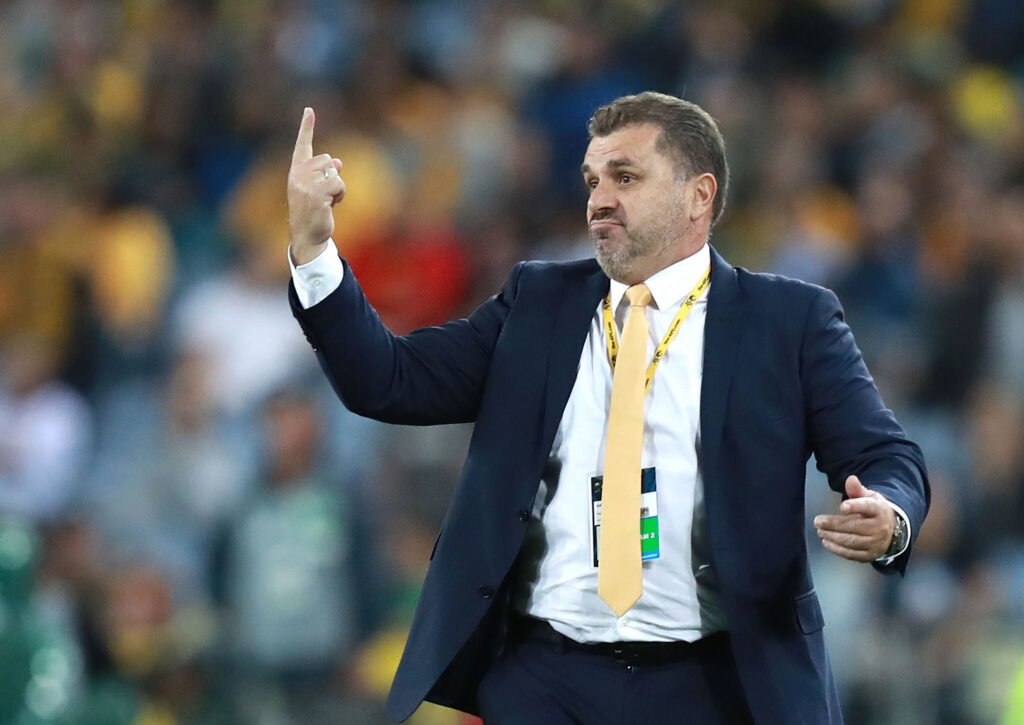
And as Ange Postecoglou said post match:
“It’s about the fight in the dog, not the dog in the fight.”
It’s funny how that line has come from a former manager, but our board always comes up with excuses.
We all know it isn’t always about who has the bigger budget.
It’s about whether the eleven players on the pitch are prepared to chase, press and concede their bodies for ninety-plus minutes.
Australia did.
Turkey didn’t.
Honestly, when we’ve been put to the sword in Europe in recent seasons, that’s the part that’s hurt the most.
Not the scoreline.
The fact that some of our players looked like they didn’t quite want to be there.
The Warning Signs Of What Could Come For Celtic
But there’s a flip side to all of this.
And it’s the all-too-familiar side with Celtic in Europe we can relate to.
Germany battered Curaçao 7-1.
Curaçao actually started decently.
They had a plan.

They had structure.
And then someone forgot the brief.
The press got broken once.
The back line stepped too high.
And within twenty minutes the game was gone.
That’s what we’ve seen a lot with Celtic teams in Europe.
You can be competitive for sixty minutes against a real side.
You can frustrate them.
You can keep the scoreline at 0-0 or 1-0.
But the moment you lose your shape – chasing the equaliser, jumping out of the block, sending a full-back where he shouldn’t be – the elite sides punish you.
And that’s where O’Neill’s experience could become vital next season.
O’Neill’s 2003 Template Is Still The Template.
Boavista. Stuttgart. Blackburn. Liverpool. Celta Vigo.
All of them were dispatched on the road to Seville.
And how did O’Neill do it?
Not with Pep-style positional play.
Not with a high line and a 4-3-3.
He did it with a 3-5-2 and with players that believed they could win and dominate games.
And with O’Neill back in the dugout and a £120 million rebuild on the table, there is no excuse not to build for that exact template again.
I’ve already discussed players Celtic could target in this World Cup.
A genuine defensive midfielder has to be top of the list for me, as I imagine it is for many fans.
The Final Lesson
For me, the truth is this.
We need to copy what we see other teams doing.
The World Cup is showing us, every single night, that there is a way for small nations with players of inferior standards to compete.
And if Desmond and Nicholson back O’Neill properly this summer, there is absolutely no reason we can’t do it again.
Key Takeaways
- Cape Verde drawing with Spain and Australia beating Turkey show how a 4-4-2 mid-block and diagonal attacks can topple bigger nations.
- Ange Postecoglou’s “fight in the dog, not the dog in the fight” mantra is exactly the mentality Celtic need to rediscover in Europe.
- Germany 7-1 Curaçao is the warning – being competitive for an hour isn’t enough if you lose control of the game.
- Martin O’Neill’s 2003 run to Seville was built on the same principles now dominating the World Cup.
- Celtic’s summer rebuild must target physical defenders, a defensive midfielder and genuine set-piece threats to compete in Europe.













Comments.
Loading comments…